

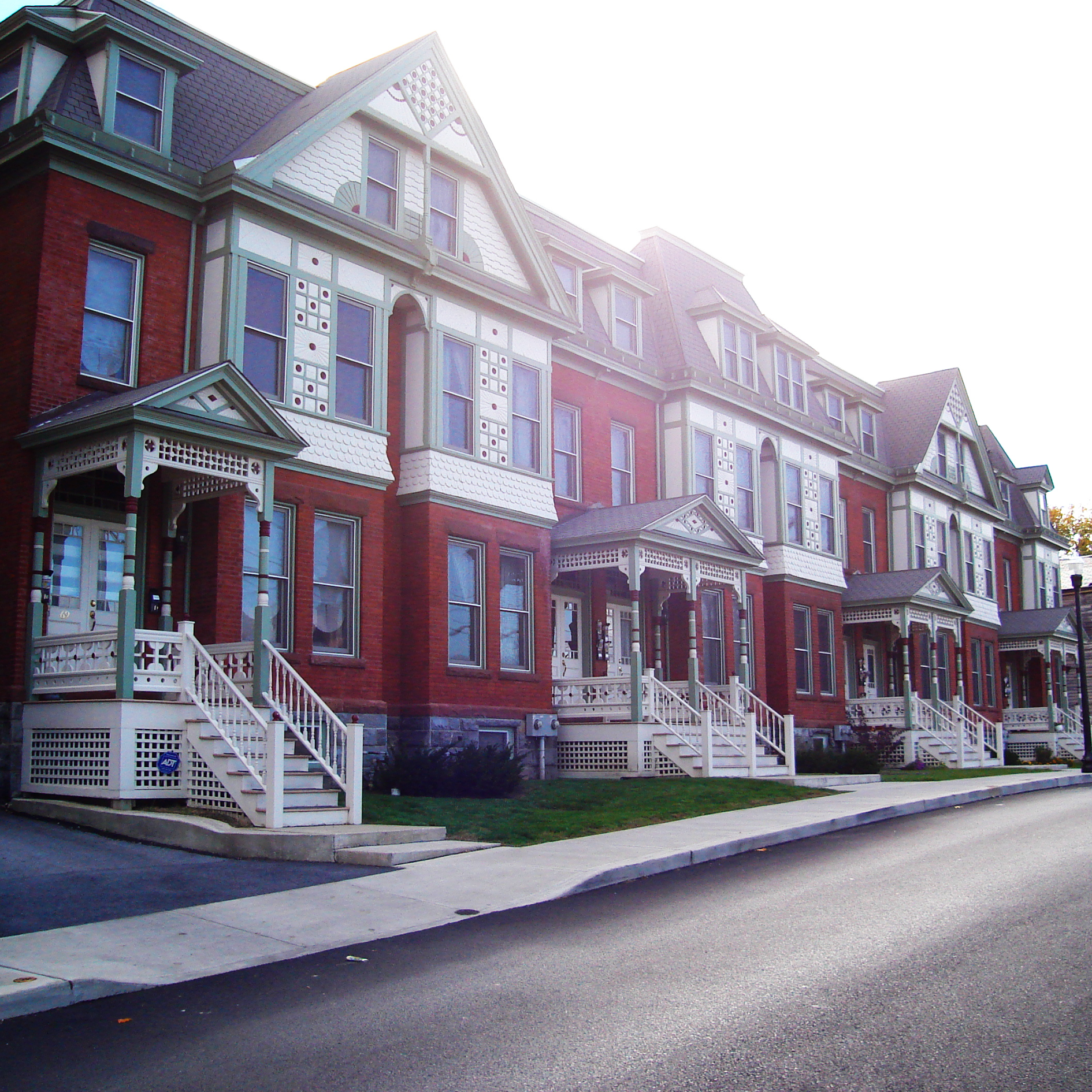
Rental Housing
Transitional Housing


At Hudson River Housing, our transitional housing model focuses on empowering residents by combining safe, stable housing with comprehensive supportive services. Transitional housing provides a crucial bridge for individuals and families experiencing homelessness, offering a supportive environment designed to help them stabilize and regain independence.
The focus of this type of housing is to assist individuals in developing the skills and resources necessary to move into and maintain permanent housing. It is meant to provide a safe, supportive environment where residents can overcome trauma, rebuild their support networks, and begin to address the issues that led to their homelessness. This stability is foundational for addressing other areas of residents’ lives, such as education, employment, and overall well-being.
Residents may stay in our programs for up to two years, giving them the time and structure needed to build toward independence and long-term stability. During their stay, residents partner with our Care Management staff to create personalized independent living plans. This includes helping residents apply for benefits, access healthcare and mental health services, connect with substance use recovery providers, secure childcare, improve financial literacy, and pursue job training or educational opportunities. Residents also receive support with day-to-day skills such as budgeting, cooking, and navigating transportation, ensuring they are prepared for the realities of independent living.
By addressing the root causes of homelessness and offering a structured, individualized pathway to success, Hudson River Housing’s transitional housing programs not only reduce homelessness in the Hudson Valley but also equip individuals and families with the tools and confidence they need to thrive long after they leave our care.
Programs & Sites

FAQs
-
Transitional housing provides short- to medium-term support for individuals who are working toward permanent housing. These programs often last 3 to 24 months and combine housing with supportive services.
-
It’s typically designed for:
Youth aging out of care
Families rebuilding after a crisis
Veterans or individuals recovering from homelessness
Survivors of domestic violence
-
Residents often receive:
A private or shared living space
Case management
Life skills training
Employment and education support
Mental health or recovery services
-
Some programs require income-based rent, while others are free. The goal is to build independence and stability while residents prepare for permanent housing.
Permanent Housing
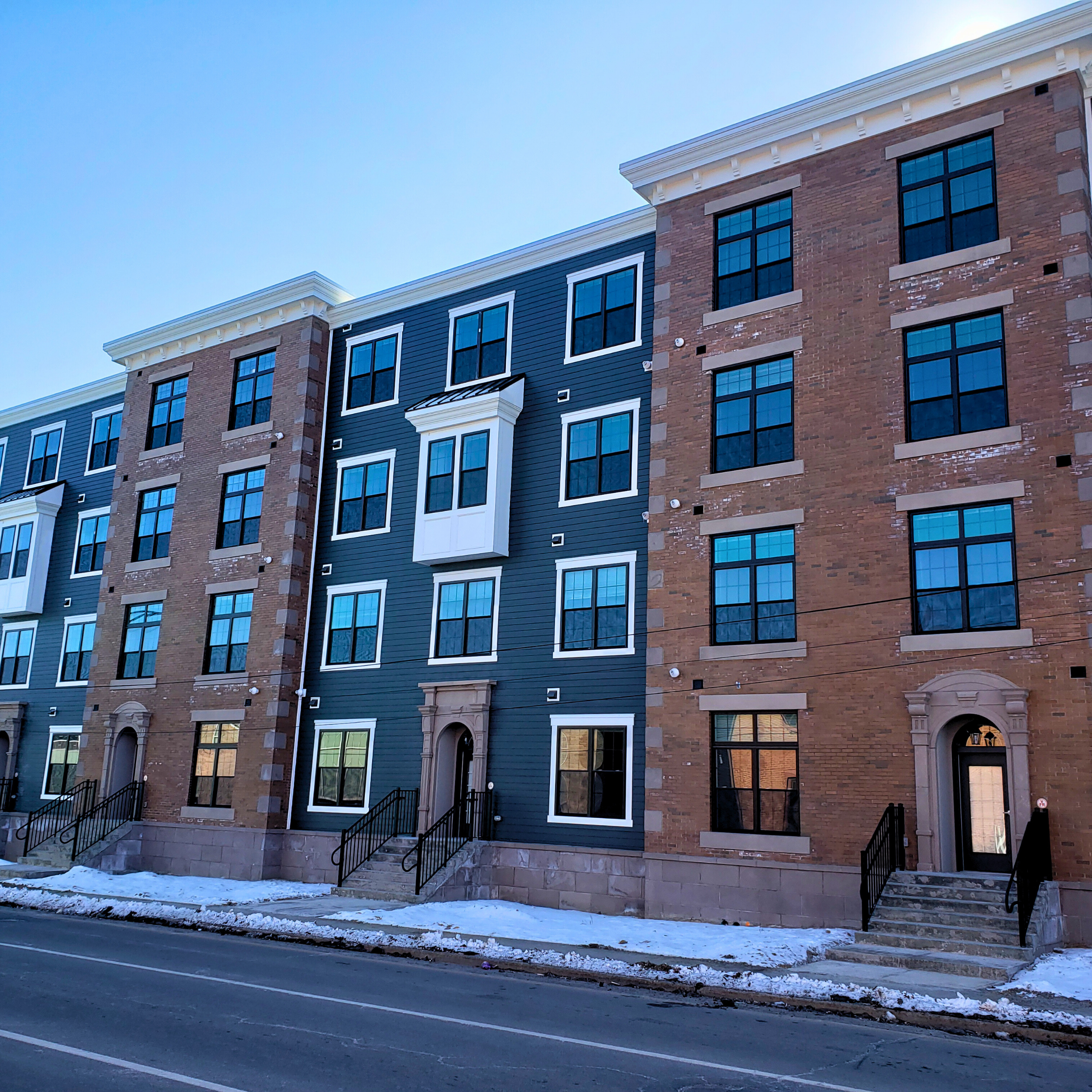
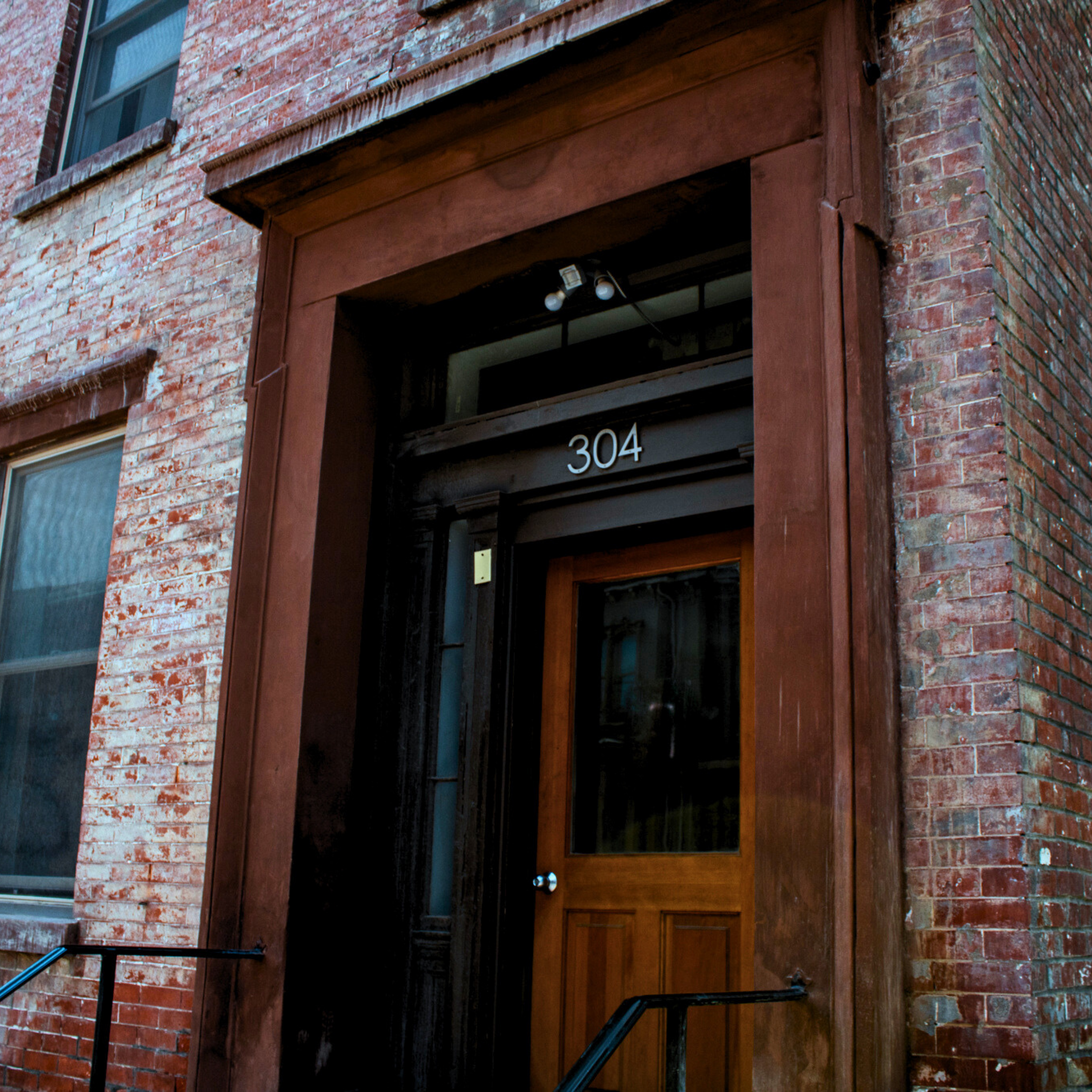
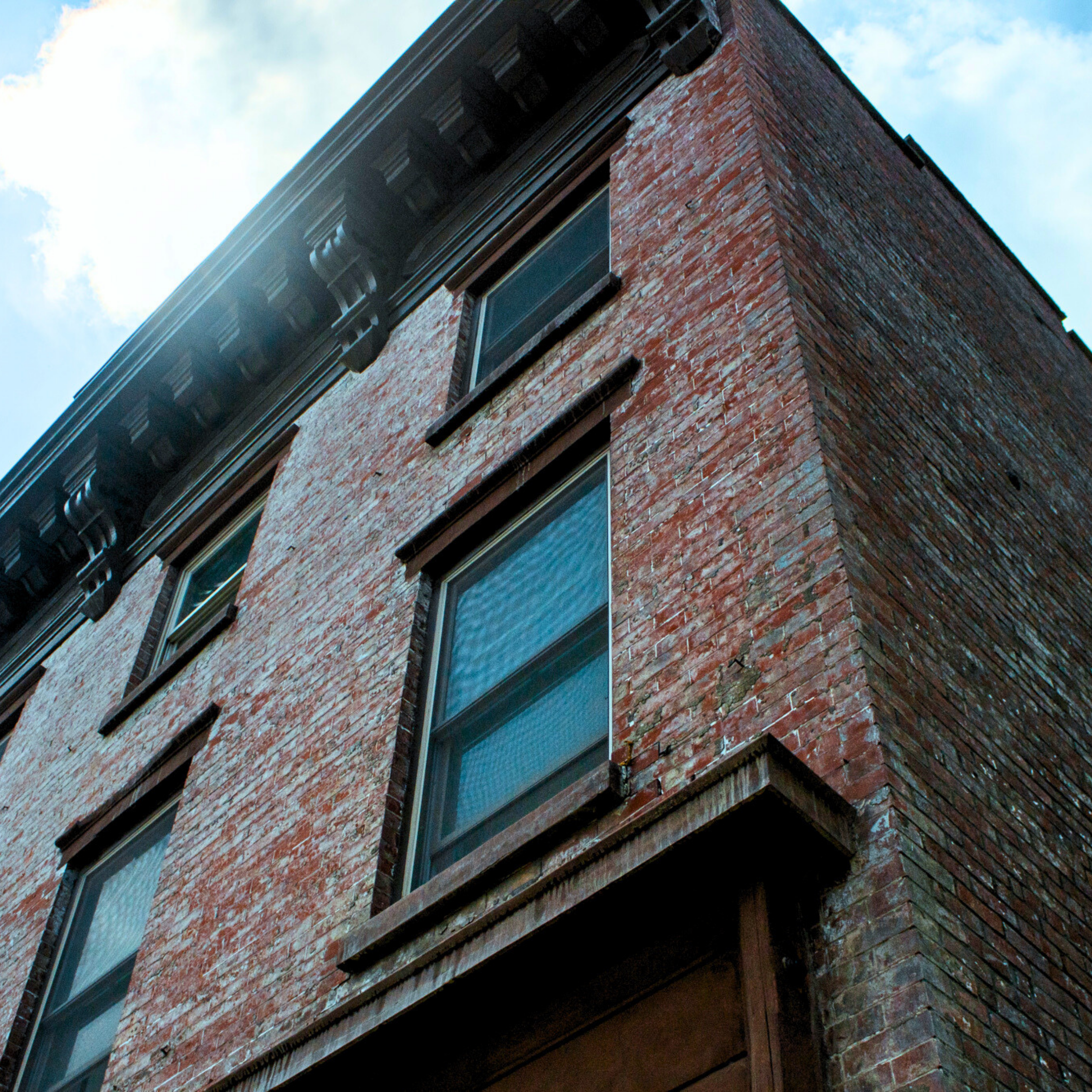
At Hudson River Housing, we believe that safe, stable housing is the foundation for dignity, stability, and long-term independence. Our Permanent Housing programs provide individuals and families with a lasting home, while also connecting them to the resources and supports needed to thrive.
Permanent Housing is the goal at the end of our continuum of care, following the urgent shelter provided through Emergency Housing and the stability-building supports of Transitional Housing. Once residents are ready, our programs help them make the transition into permanent homes that are affordable, secure, and sustainable.
Through ongoing case management and supportive services, residents are connected to community resources that meet their unique needs. This may include employment assistance, financial counseling, healthcare, mental health services, or substance use recovery support. Our staff work one-on-one with residents to ensure they not only find a place to live but also have the tools to maintain housing for the long term.
By addressing the root causes of homelessness, rebuilding support networks, and empowering residents with the skills to succeed, Hudson River Housing’s Permanent Housing programs ensure that individuals, youth, and families can build a true foundation for lasting change—a place to call home.

Programs by Population
-
List of all youth programs w. links to program page
-
Link to LS
-
Item description
General Affordable
-
22 Balding Avenue
HRH APPLICATION
-
36 Bement Avenue
HRH APPLICATION
-
38 Bement Avenue
PARTNER APPLICATION
-
60 Catharine Street
HRH APPLICATION
-
3 Camburn Way/Ryan's House
HRH APPLICATION
-
239 Church Street
HRH APPLICATION
-
107 N. Clinton Street
HRH APPLICATION
-
128 N. Clinton Street
PARTNER APPLICATION
-
21 Conklin Street
Description goes here -
29 Conklin Street
Description goes here -
14 Edgar Street
Description goes here -
7 Fish Street
Description goes here -
55 Garden Street
Description goes here -
3 High Street
Description goes here -
23 Hooker Ave (Managed for Nubian)
Description goes here -
HRL Townhouses
Description goes here -
302-304-306 Mill (Managed for HCR)
HRH APPLICATION
-
9, 11, 13 N. White Street
HRH APPLICATION
-
30 N. White Street
HRH APPLICATION
-
9-13 Noxon Street - 12 units
HRH APPLICATION
-
15 Weed Street
HRH APPLICATION
-
206 Winnikee Avenue (Managed for Nubian)
HRH APPLICATION
Permanent Housing for
Formerly Homeless Veterans
-
81 Garden Street
DC COC - COORDINATED ENTRY (HUD)
-
Noxon - 4 units
DC COC - COORDINATED ENTRY (HUD)
-
Liberty Station
HRH APPLICATION
Permanent Housing for Formerly Homeless Persons with Mental Illness/Sub Abuse Disorders
-
Shelter Plus Care
DC SINGLE POINT OF ACCESS (SPOA)
-
Home Base
DC SINGLE POINT OF ACCESS (SPOA)
-
COACH
DC SINGLE POINT OF ACCESS (SPOA)
-
400 Maple
DC SINGLE POINT OF ACCESS (SPOA)
-
22 Lexington
DC SINGLE POINT OF ACCESS (SPOA)
-
Special Use Beds
Rockland Psych Center
-
Special Use Beds - RCE
Rockland Psych Center
-
Forensic
Rockland Psych Center
Permanent Housing for
Formerly Homeless Young Adults
-
12 South Hamilton (Mark & Wulf)
HRH APPLICATION and Pete's Place & Pat's Place
-
16 Boulevard (Baxter)
HRH APPLICATION and Pete's Place & Pat's Place
-
584 Main (Mark & Wulf - opening Sept 2025)
472 Maple (Baxter)
-
472 Maple (Baxter)
HRH APPLICATION and Pete's Place & Pat's Place
Senior Housing
-
Maybrook Gardens
HRH APPLICATION
-
Cannon Street Seniors
HRH APPLICATION
-
Stone Ledge
PARTNER APPLICATION
-
Red Hook Commons
PARTNER APPLICATION
LIHTC Veteran Housing
-
Poughkeepsie Commons
PARTNER APPLICATION
Historic Tax Credit - Rental Housing
-
291 Mill Street
HRH APPLICATION
-
305-307 Mill St
HRH APPLICATION
-
Poughkeepsie Underwear Factory
PARTNER APPLICATION
-
Harlow Row
PARTNER APPLICATION
LIHTC - Rental Housing
-
Garden Street
HRH APPLICATION
-
Fallkill Commons on Rose
HRH APPLICATION
-
Crannell Square
PARTNER APPLICATION
-
West End Lofts
PARTNER APPLICATION
-
Queen City Lofts
PARTNER APPLICATION
-
Poughkeepsie Commons
PARTNER APPLICATION
-
Fallkill Commons on Rose
PARTNER APPLICATION
-
Pendell Commons
PARTNER APPLICATION
FAQs
-
Permanent housing provides long-term, stable housing solutions, often with the option of ongoing supportive services. It’s designed to help individuals and families maintain housing and thrive.
-
Programs vary, but permanent housing often serves:
Low-income households
People with disabilities or chronic health conditions
Families or individuals transitioning from shelter or transitional programs
Veterans
-
Yes. Many permanent housing programs offer supportive services such as:
Rent assistance
On-site case management
Health care coordination
Budgeting and job support
-
Yes. Permanent housing typically includes a standard lease agreement, just like any other rental unit.
“Before coming to Hudson River Housing, I didn’t know where to turn. They helped me find not just a place to live, but a path to rebuild my life. I’m now working full-time and feel hopeful about the future for the first time in years."
— Former HRH Resident

Get in touch.
Questions or concerns?
Let us know!